**LEO Dictionary is currently down, so it's not just you. They're also insolvent, so .. uh... try my dictionary, I guess. **
← Vocabulary

What is the Difference

“Verschieden vs. anders”, “wenn vs. falls”, “kennen vs wissen” – these and other pairs make almost every learner at some point wonder “What the hell is the difference.”
This category collects them all.

Your progress in this section:

Join to start tracking.

Login Sign Up
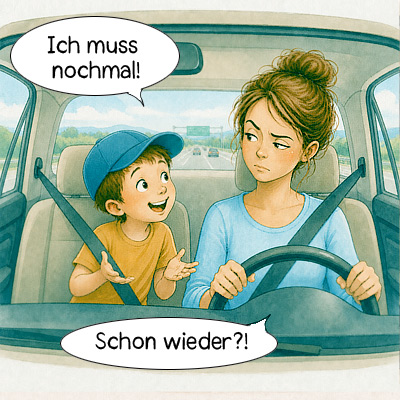
"again" in German - nochmal vs wieder

Both "nochmal" and "wieder" translate to "again". But they're not really the same. Today, we'll learn the core ideas that set them apart.

nochmal, wieder

Read article →
The Meaning of "vorher" (and "davor")

"vorher" looks like the counterpart of "vorhin", but that's misleading. "vorher" actually is a synonym for "davor" and it's really really common in daily life.

vorher, vorhin, davor

Read article →
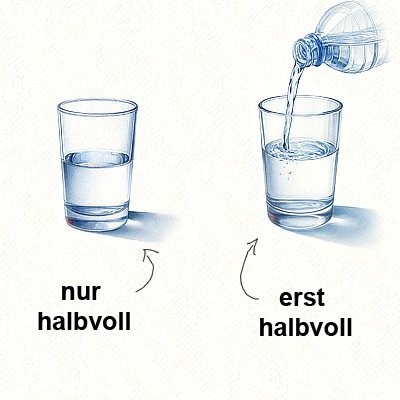
"erst" or "nur" - The Learning Quiz

Mixing up "nur" and "erst" is a common mistake because they both mean "only", but they're not the same. Today, we'll learn the difference through a quiz.

erst vs nur

Read article →
er, sie, es and der, die das - What's the Difference

"der ist" or "er ist". "das ist" or "es ist" - learners often wonder about the difference and the German way of doing it is a little different than English.

Read article →
"beide" vs "beides" - What's the difference

"beide" and "beides" both mean "both". But they're not interchangeable and mixing them up sounds really bad. Today, we'll explore what the actual difference is.

Read article →
Denn vs Weil - What's the Difference

"denn" and "weil" both mean "because". But they're different in grammar, tone and also in scope so you can't really just interchange them.

weil, denn, weil vs denn

Read article →
"nutzen" and "benutzen" - The Difference Explained

"nutzen", "benutzen" and "verwenden" all mean "to use", but there are differences when to use which. Today, we'll learn all about that with lots of examples.

nutzen, benutzen, verwenden, der Gebrauch, nützlich, hilfreich, nützen, abnutzen, ausnutzen

Read article →
Verschieden, Anders, Unterschiedlich - What's the Difference

Verschieden, anders and unterschiedlich all mean "different", but they're not exactly the same. Today, we'll learn what the differences are.

verschieden, anders, unterschiedlich

Read article →
To Know in German - "wissen" vs "kennen"

English "to know" has two translations - "wissen" and "kennen". And there are 2 ways to tell them apart. One is about meaning, the other about grammar.

Read article →
What is the Difference - "verwirren vs. verwechseln"

'verwirren' and 'verwechsel' both mean 'to confuse'. But confusing them is confusing. Today, we'll learn what the difference is and when to use which one.

Read article →
How to use "trotzdem" (and "obwohl")

We'll learn how to properly use "trotzdem" and "trotz" in a sentence, explore their translations and check out the difference to "obwohl".

trotzdem, obwohl, der Trotz, trotzen, trotz

Read article →
At Least in German - Wenigstens vs Mindestens vs Zumindest

wenigstens, mindestens, zumindest - they all mean "at least" but they're not the same. Today, we'll learn what the differences are and how to use them.

Read article →
"only" in German - erst, nur, einzige

'Only' has three translations in German - nur, erst and einzig-. Today, we'll explore what the differences are between them and see when to use which one.

erst, nur, einzige, einzigste

Read article →
mögen, gern, gefallen - What is the difference

German has three options for "to like" - mögen, gern and gefallen. Today, we'll find out what the differences are and when to use which one.

mögen, gern, gefallen

Read article →
Wann or Wenn - What's the difference

"wann" and "wenn" both mean "when" - and there are two ways to find the difference. One is the "What time"-test, the other is to look at what they're answering.

wenn, wann, dann und wann, irgendwann, wann anders, hin und wieder

Read article →
Word of the Day - "falls"

"falls" and "wenn" can both mean "if" in German. Today, we'll find out if there is a difference between the two and how to use "falls" properly.

Read article →
What is the Difference - "antworten vs. beantworten"

The difference between "antworten" and "beantworten" is grammar - "beantworten" takes a direct object while "antworten" works more like "to reply".

antworten, beantworten, die Antwort

Read article →
"dass" or "das" - The Difference (With Quiz)

"das" and "dass" both mean "that", but they're not the same at all. "das" is an article, like "the", and "dass" is a conjunction joining sentences. Let's explore!

Read article →
What is the Difference - "hinter vs. hinten"

A fun look at the difference between "hinter" and "hinten" and a broader look at some basic principles of talking about location in German.

Read article →
The meaning of "sondern"

"sondern" and "aber" are both translations for "but". Today, we'll learn, what idea "sondern" expresses and what the difference is to "aber".

Read article →
Subscribe for free


My German Learning Newsletter

Once a week (or so).

We don’t spam! Read our privacy policy for more info.